Addiction Information
January 15, 2026
By DPE Clinical Team
Signs of Opioid Addiction: What Los Altos Families Should Know

Opioid addiction has become one of the most pressing public health crises across the United States, and communities in California are not immune. Here in Los Altos and throughout the greater Bay Area, families are increasingly confronting the devastating effects of opioid misuse. At DPE Support & Advisors, our clinical team encounters individuals and families affected by opioid addiction every day, and we believe that education is the first step toward recovery.
Whether the substance involved is prescription painkillers, heroin, or synthetic opioids like fentanyl, the signs of addiction often follow similar patterns. Recognizing these signs early can mean the difference between a manageable intervention and a life-threatening emergency. This article is designed to help Los Altos families identify the warning signs and understand the options available at our treatment center on Main Street.
Physical Warning Signs
The physical symptoms of opioid addiction are among the earliest indicators that something is wrong. Individuals misusing opioids such as oxycodone, hydrocodone, heroin, or fentanyl may display noticeable changes in their physical appearance and health. Common physical warning signs include:
- Constricted pupils -- often described as "pinpoint pupils" even in dimly lit environments, this is one of the most recognizable physical signs of opioid use.
- Drowsiness and nodding off -- falling asleep at inappropriate times, such as during conversations or while seated at the dinner table, is a hallmark of opioid intoxication.
- Sudden weight loss -- opioid misuse often suppresses appetite, leading to unexplained and sometimes rapid weight changes.
- Frequent flu-like symptoms -- nausea, vomiting, sweating, and body aches can indicate both active use and withdrawal between doses.
- Track marks or skin infections -- for individuals injecting heroin or fentanyl, visible needle marks on the arms, hands, or feet may be present.
- Changes in sleep patterns -- irregular sleep, including excessive sleeping or insomnia during withdrawal periods, is common.
At DPE, our medical staff is trained to assess these physical indicators during the initial evaluation process. Our medically supervised detox program in Los Altos provides safe, comfortable withdrawal management for individuals dependent on opioids, prescription drugs, and other substances.
Behavioral and Emotional Changes
Beyond the physical signs, opioid addiction profoundly affects behavior, relationships, and emotional stability. Families in Los Altos and surrounding California communities should watch for these behavioral red flags:
- Social withdrawal -- pulling away from family gatherings, longtime friends, and activities they once enjoyed.
- Secrecy and dishonesty -- unexplained absences, lying about whereabouts, and becoming defensive when questioned about their behavior.
- Financial difficulties -- borrowing money frequently, missing bill payments, or valuables disappearing from the home.
- Declining work or school performance -- missing deadlines, frequent absences, or sudden job loss.
- Mood swings -- rapid shifts between euphoria and irritability, often correlating with periods of use and withdrawal.
- Doctor shopping -- visiting multiple physicians to obtain additional prescriptions for painkillers.
When to Seek Help
If you recognize several of these signs in a family member or friend, the time to act is now. Opioid addiction is a progressive disease, meaning it worsens without treatment. The longer someone continues misusing opioids -- whether prescription drugs, heroin, or fentanyl -- the greater the risk of overdose, organ damage, and death.
"Early intervention saves lives. When families reach out to us here in Los Altos, they are taking the most courageous and important step in the recovery process." -- DPE Clinical Director
DPE Support & Advisors offers comprehensive opioid addiction treatment programs right here in Los Altos, California. Our evidence-based approach includes medically supervised detoxification, individual and group counseling, medication-assisted treatment (MAT), and aftercare planning tailored to each person's unique needs. We also provide specialized tracks for individuals dealing with fentanyl addiction, which requires particularly careful medical supervision due to the drug's extreme potency.
Taking the First Step
If your family is being affected by opioid addiction, you do not have to face it alone. Our admissions team at DPE is available to answer questions, discuss treatment options, and help you determine the best path forward. We accept most major insurance plans and offer flexible payment arrangements for California residents.
Contact DPE Support & Advisors today at (209) 243-3434 or visit our treatment center at 121 Main St, Los Altos, CA 94022 to learn how we can help your family begin the healing process.
← Back to all articles
Recovery Tips
January 28, 2026
By DPE Clinical Team
5 Tips for Early Recovery from DPE Experts

The first weeks and months of recovery from substance addiction are often described as the most challenging -- and the most transformative. Whether you are recovering from alcohol addiction, opioid dependency, cocaine misuse, or poly-substance use, the early recovery period is when the foundation for long-term sobriety is built. At DPE Support & Advisors in Los Altos, California, our clinical team has guided thousands of individuals through this critical phase, and we have identified five essential strategies that make a meaningful difference.
These tips are drawn from decades of combined clinical experience at our treatment center on Main Street and reflect the evidence-based practices that form the core of every DPE recovery program.
1. Establish a Structured Daily Routine
One of the most underestimated tools in early recovery is the power of a consistent daily routine. When someone has been actively using substances like alcohol, heroin, meth, or prescription drugs, their daily life typically revolves around obtaining and using those substances. Removing that cycle creates a vacuum that must be filled with healthy, purposeful activities.
At DPE, we help clients build structured daily schedules that include therapy sessions, physical activity, meals at regular times, mindfulness practice, and dedicated rest periods. This structure reduces the idle time that often leads to cravings and provides a sense of normalcy and accomplishment.
Our Los Altos clients have access to some of the most beautiful walking trails and outdoor spaces in California, which we encourage incorporating into daily routines. Physical activity, even a simple morning walk, releases endorphins that naturally boost mood and reduce anxiety during the withdrawal period.
2. Build a Strong Support Network
Recovery does not happen in isolation. The relationships you cultivate during early recovery can be the difference between lasting sobriety and relapse. At DPE Support & Advisors, we emphasize the importance of building connections with people who understand what you are going through and support your recovery goals.
This network might include:
- Fellow participants in your DPE treatment program
- Members of local support groups such as AA, NA, or SMART Recovery meetings in the Los Altos and greater Bay Area
- A dedicated sponsor or recovery mentor
- Family members who have participated in DPE's family therapy sessions
- Your individual therapist and case manager at our treatment center
Our group therapy sessions at DPE are specifically designed to foster genuine connections between clients. Many of our alumni report that the friendships formed during treatment remain among the most important in their lives years later.
3. Learn and Practice Coping Skills
Substance use often begins as a coping mechanism for stress, trauma, anxiety, or depression. In early recovery, you must develop healthier alternatives to manage these emotions. At DPE, our therapists teach a variety of evidence-based coping techniques, including:
- Cognitive Behavioral Therapy (CBT) -- identifying and reframing negative thought patterns that trigger cravings.
- Dialectical Behavior Therapy (DBT) -- developing distress tolerance and emotional regulation skills.
- Mindfulness and meditation -- grounding techniques that help you stay present rather than dwelling on past regrets or future anxieties.
- Journaling -- processing emotions through writing, which can reveal patterns and triggers you might not notice otherwise.
The key is to practice these skills consistently, not just when a craving strikes. The more automatic these responses become, the less power cravings will have over your decision-making.
4. Address Underlying Mental Health Conditions
Many individuals struggling with addiction to substances such as alcohol, opioids, benzos, or cocaine also have co-occurring mental health conditions such as depression, anxiety, PTSD, or bipolar disorder. This is what clinicians call a dual diagnosis, and at DPE Support & Advisors, we treat both conditions simultaneously rather than addressing them separately.
Ignoring underlying mental health issues is one of the most common reasons for relapse in early recovery. If you are managing your addiction but not treating your depression or anxiety, the untreated condition will eventually undermine your sobriety. Our trauma-informed care approach at DPE ensures that the root causes of addiction are addressed alongside the substance use itself.
If you have not yet been evaluated for co-occurring conditions, ask your treatment team at DPE about our comprehensive psychiatric assessment process, available right here at our Los Altos facility.
5. Be Patient and Compassionate with Yourself
Recovery is not a linear process. There will be difficult days, unexpected triggers, and moments of doubt. The DPE clinical team reminds every client that recovery is a journey, not a destination. Perfection is not the goal -- progress is.
"Every day you choose recovery is a victory. We remind our clients at DPE that the courage it takes to show up each day is extraordinary." -- DPE Therapist
Celebrate small victories. Acknowledge the difficulty of what you are doing. And when you struggle, reach out to your support network rather than retreating into shame or secrecy. At DPE Support & Advisors, our doors are always open -- whether you are in active treatment, transitioning to outpatient care, or simply need someone to talk to.
Begin Your Recovery Journey Today
If you or someone you love is ready to begin the recovery process, DPE Support & Advisors is here to help. Our treatment center at 121 Main St in Los Altos offers personalized programs for alcohol, opioid, meth, cocaine, benzos, marijuana, and poly-substance addiction. Call us today at (209) 243-3434 to speak with an admissions counselor.
← Back to all articles
Family Support
February 5, 2026
By DPE Clinical Team
How to Help a Loved One Struggling with Addiction in California

Watching someone you love struggle with addiction is one of the most painful experiences a family can endure. Whether your loved one is battling alcohol addiction, opioid dependency, cocaine misuse, or any other form of substance use disorder, the feelings of helplessness, frustration, fear, and heartbreak can be overwhelming. At DPE Support & Advisors in Los Altos, California, we work with families every day, and we want you to know that there are concrete, effective steps you can take to help your loved one -- and to protect yourself in the process.
This guide draws on the expertise of our clinical team and the experiences of hundreds of California families who have walked this path before you.
Educate Yourself About Addiction
The first and most important step is to understand that addiction is a chronic medical condition, not a moral failing. Substance use disorder changes the brain's chemistry and structure, particularly the areas responsible for decision-making, impulse control, and reward processing. When your loved one is using heroin, fentanyl, meth, alcohol, or prescription drugs, their brain has been fundamentally altered by the substance.
Understanding this biological reality can help you approach your loved one with compassion rather than anger. It also helps you recognize that willpower alone is rarely sufficient to overcome addiction -- professional treatment at a facility like DPE is often necessary for lasting recovery.
Resources for educating yourself include:
- The National Institute on Drug Abuse (NIDA) family resources
- SAMHSA's National Helpline information
- DPE's family education workshops, held monthly at our Los Altos treatment center
- Local California support groups such as Al-Anon and Nar-Anon
Approach with Compassion, Not Confrontation
How you initiate the conversation matters enormously. Confrontational approaches often backfire, pushing your loved one further into denial and isolation. Instead, choose a time when they are sober and calm, and use "I" statements that express your concern without placing blame.
For example:
- "I have noticed you seem different lately, and I am worried about you."
- "I care about you, and I am concerned about the changes I am seeing."
- "I want to help you find the support you need, whenever you are ready."
Avoid statements like "You need to stop" or "You are destroying this family," which tend to trigger shame and defensiveness. At DPE, our family therapy program teaches specific communication techniques that foster openness and trust.
Set Healthy Boundaries
Loving someone with an addiction does not mean enabling their behavior. Enabling occurs when your actions -- however well-intentioned -- make it easier for your loved one to continue using substances without facing consequences. Common enabling behaviors include:
- Providing money that you suspect will be used for drugs or alcohol
- Making excuses for their behavior at work, school, or social events
- Covering up legal or financial problems caused by their addiction
- Ignoring or minimizing the severity of the problem
Setting boundaries is an act of love, not punishment. It means clearly communicating what you will and will not tolerate, and following through consistently. Our family counselors at DPE Support & Advisors help families establish realistic, compassionate boundaries that support recovery without enabling continued use.
Consider a Professional Intervention
If direct conversations have not been effective, a professionally guided intervention may be the next step. An intervention is a structured meeting where family members and close friends, guided by a trained interventionist, express their concerns and present a clear treatment plan to the person struggling with addiction.
DPE Support & Advisors in Los Altos can connect you with experienced intervention specialists who work throughout California. A well-planned intervention can break through denial and motivate your loved one to accept treatment. Our team can also have an admissions plan ready so that if your loved one agrees to treatment, they can begin the intake process immediately -- the window of willingness is often brief, and acting quickly is essential.
Explore Treatment Options Together
California offers a wide range of treatment options, and DPE Support & Advisors provides several levels of care to match different needs:
- Medical Detox -- safe, medically supervised withdrawal from alcohol, opioids, benzos, and other substances.
- Residential Treatment -- immersive, 24/7 care with therapy, education, and structured activities.
- Partial Hospitalization (PHP) -- intensive daytime treatment while residing at home or in sober living.
- Intensive Outpatient (IOP) -- flexible scheduling for those with work or family commitments.
- Outpatient Programs -- ongoing therapy and support during the transition back to daily life.
Involving your loved one in the decision-making process -- when possible -- increases their sense of ownership over their recovery. Show them DPE's website, tour our Los Altos facility together, or attend a family information session to learn about what treatment looks like.
Take Care of Yourself
You cannot pour from an empty cup. Caring for someone with an addiction takes an enormous toll on your own mental, emotional, and physical health. At DPE, we firmly believe that family recovery is as important as individual recovery.
We encourage family members to:
- Attend individual therapy or counseling
- Join Al-Anon, Nar-Anon, or other family support groups in the Los Altos area
- Participate in DPE's family therapy program
- Maintain your own physical health through exercise, nutrition, and sleep
- Allow yourself to feel your emotions without guilt
We Are Here for Your Family
At DPE Support & Advisors, we treat the entire family, not just the individual. Our Los Altos treatment center provides comprehensive family support services, including family therapy sessions, educational workshops, and ongoing aftercare for families navigating the recovery process. You do not have to face this alone.
Call us today at (209) 243-3434 to speak confidentially with a member of our family support team.
← Back to all articles
Mental Health
February 12, 2026
By DPE Clinical Team
Understanding Dual Diagnosis Treatment at DPE

When someone walks through the doors of DPE Support & Advisors in Los Altos, California, they rarely arrive with just one problem. More often than not, the individuals we treat are dealing with both a substance use disorder and a co-occurring mental health condition -- what clinicians call a dual diagnosis. Research consistently shows that approximately half of all individuals with a substance use disorder also have a diagnosable mental health condition, and vice versa. At DPE, we have built our entire treatment philosophy around this reality.
This article explains what dual diagnosis means, why integrated treatment is essential, and how our Los Altos treatment center approaches these complex cases with expertise, compassion, and evidence-based methods.
What Is Dual Diagnosis?
Dual diagnosis -- also known as co-occurring disorders -- refers to the simultaneous presence of a substance use disorder and a mental health condition. Common combinations we see at DPE include:
- Alcohol addiction and depression -- alcohol is a depressant, and chronic misuse both worsens and can trigger depressive episodes.
- Opioid addiction and PTSD -- individuals with trauma histories frequently turn to heroin, fentanyl, or prescription opioids to numb emotional pain.
- Cocaine or meth addiction and anxiety disorders -- stimulant use can initially mask anxiety but ultimately intensifies it, creating a destructive cycle.
- Benzodiazepine dependency and panic disorder -- benzos are often prescribed for anxiety, but tolerance develops rapidly, leading to misuse and dependency.
- Marijuana use and social anxiety -- cannabis is commonly used as self-medication for anxiety, but chronic use can worsen symptoms over time.
- Poly-substance use and bipolar disorder -- the manic and depressive phases of bipolar disorder often drive substance use during different episodes.
The relationship between these conditions is bidirectional. Mental health conditions increase vulnerability to substance misuse, and substance misuse worsens mental health symptoms. Treating one without addressing the other almost guarantees incomplete recovery and high relapse rates.
Why Integrated Treatment Matters
For decades, substance use disorders and mental health conditions were treated separately, often by different providers in different facilities. A person might complete a 30-day addiction program only to return to untreated depression, which would then drive them back to alcohol or opioids. This sequential approach failed because it ignored the fundamental interconnection between the two conditions.
At DPE Support & Advisors, we practice integrated treatment, meaning both conditions are addressed simultaneously by the same clinical team using a coordinated treatment plan. This approach has been endorsed by SAMHSA, NIDA, and the American Psychiatric Association as the gold standard for dual diagnosis care.
Key benefits of integrated treatment at DPE include:
- Unified treatment planning -- one clinical team oversees both your mental health and substance use recovery, ensuring strategies do not conflict with one another.
- Medication management -- our psychiatric staff prescribes and monitors medications for mental health conditions while considering the impact on addiction recovery, avoiding medications with high abuse potential when appropriate.
- Trauma-informed care -- all DPE staff are trained in trauma-informed approaches, recognizing that trauma often underlies both substance use and mental health conditions.
- Higher success rates -- studies show that integrated treatment leads to better outcomes in both symptom reduction and long-term sobriety.
The DPE Dual Diagnosis Process
When you arrive at our Los Altos treatment center, the dual diagnosis process begins with a thorough biopsychosocial assessment. This comprehensive evaluation examines your medical history, substance use history, mental health symptoms, trauma history, family dynamics, and social situation. Our clinical team uses validated screening tools and clinical interviews to identify all co-occurring conditions, including those that may have gone undiagnosed for years.
Based on this assessment, your individualized treatment plan may include:
- Medical stabilization and detox -- safe withdrawal management with psychiatric monitoring for alcohol, opioids, benzos, and other substances.
- Psychiatric evaluation and medication management -- assessment by a board-certified psychiatrist who specializes in co-occurring disorders.
- Individual psychotherapy -- regular one-on-one sessions using CBT, DBT, EMDR, or other evidence-based modalities tailored to your specific conditions.
- Group therapy -- dual diagnosis-specific groups where clients explore the relationship between their mental health and substance use.
- Trauma processing -- for clients with PTSD, complex trauma, or adverse childhood experiences (ACEs), specialized trauma therapy is integrated throughout treatment.
- Holistic therapies -- mindfulness meditation, yoga, art therapy, and physical fitness support overall mental health and provide healthy coping alternatives.
- Family therapy -- educating and involving family members in the recovery process, addressing family dynamics that may contribute to both conditions.
- Aftercare planning -- a detailed discharge plan that includes ongoing psychiatric care, therapy, support group involvement, and relapse prevention strategies specific to both conditions.
Common Questions About Dual Diagnosis
How do I know if I have a dual diagnosis?
If you have struggled with substance use and also experience persistent symptoms such as depression, anxiety, mood swings, flashbacks, paranoia, or difficulty functioning in daily life, you may have co-occurring conditions. Our clinical assessment at DPE is designed to uncover these connections.
Can medication help with dual diagnosis?
Absolutely. Medications such as antidepressants, mood stabilizers, anti-anxiety medications (non-addictive options), and medications for PTSD can be essential components of dual diagnosis treatment. Our psychiatric team at DPE carefully selects medications that support both mental health recovery and sobriety.
Will my insurance cover dual diagnosis treatment?
Most major insurance plans in California cover dual diagnosis treatment. DPE Support & Advisors' admissions team will verify your insurance benefits at no cost and help you understand your coverage before treatment begins.
"Treating addiction without treating the underlying mental health condition is like treating a broken bone without setting it first. The pain may temporarily subside, but true healing requires addressing the root cause." -- DPE Medical Director
Get Help for Co-Occurring Disorders
If you or someone you love is struggling with both addiction and mental health challenges, DPE Support & Advisors in Los Altos offers the integrated, expert care needed for real, lasting recovery. Our dual diagnosis program is available at all levels of care, from residential treatment to outpatient services.
Call (209) 243-3434 today for a confidential assessment, or visit us at 121 Main St, Los Altos, CA 94022. The path to whole-person healing starts here.
← Back to all articles
News & Updates
February 18, 2026
By DPE Clinical Team
DPE Welcomes New Spring Wellness Programs
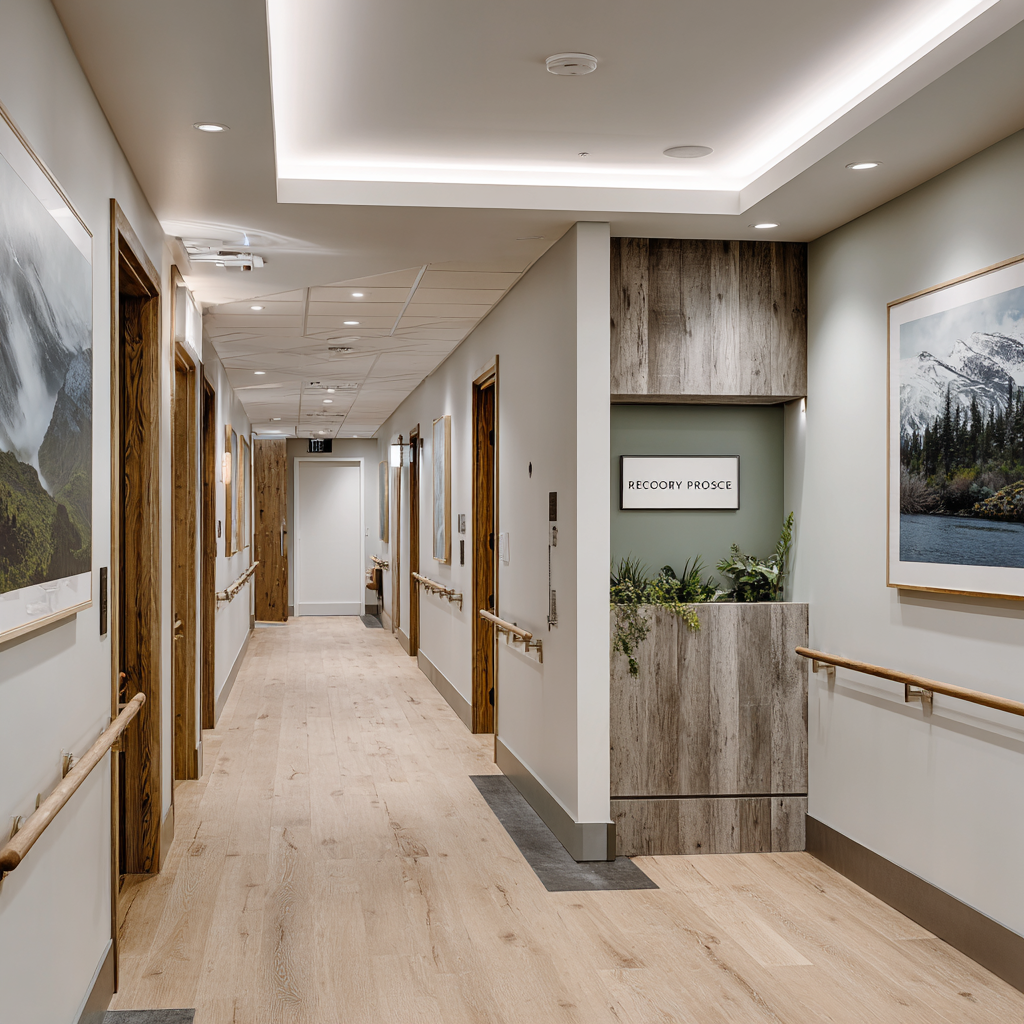
DPE Support & Advisors is thrilled to announce the launch of several new wellness programs this spring, expanding our treatment offerings and providing additional support for individuals and families affected by addiction in Los Altos and throughout California. These programs reflect our ongoing commitment to whole-person healing and our belief that recovery involves much more than abstaining from substances -- it requires building a fulfilling, balanced, and healthy life.
Beginning in March 2026, the following programs will be available at our treatment center on Main Street in Los Altos.
Outdoor Adventure Therapy
Taking advantage of the beautiful spring weather and Los Altos' proximity to stunning natural landscapes, our new outdoor adventure therapy program brings treatment out of the clinical setting and into nature. Led by licensed therapists and certified outdoor guides, this program includes guided hikes in the foothills, mindfulness sessions in local parks, and nature-based group therapy activities.
Research has shown that nature-based therapy reduces cortisol levels, improves mood, and enhances the therapeutic relationship between clients and clinicians. For individuals recovering from alcohol, opioid, meth, or cocaine addiction, these outdoor experiences provide powerful reminders that joy and fulfillment are possible without substances.
Expanded Family Support Services
Recognizing that addiction affects the entire family, DPE is significantly expanding our family support programming this spring. New offerings include:
- Saturday family workshops -- monthly half-day educational sessions covering topics such as understanding addiction as a disease, communication skills, boundary setting, and supporting long-term recovery.
- Teen and young adult family groups -- age-appropriate groups for adolescents and young adults who have a parent or sibling in treatment.
- Couples therapy intensives -- structured weekend programs for couples rebuilding their relationship during the recovery process.
- Virtual family sessions -- for family members who cannot travel to our Los Altos facility, we now offer secure video therapy sessions to ensure geographic distance does not prevent family participation in treatment.
Mindfulness and Meditation Program
Our new structured mindfulness program integrates daily meditation practices into every level of care at DPE. Clients will learn Mindfulness-Based Stress Reduction (MBSR) techniques, guided meditation, breathing exercises, and body scan practices designed to build emotional regulation skills and reduce the intensity of cravings for alcohol, opioids, and other substances.
This program is led by a certified mindfulness instructor who specializes in working with individuals in addiction recovery, and sessions are held in our newly renovated wellness room at the Los Altos facility.
Alumni Wellness Network
Recovery does not end at discharge, and neither does our commitment to our clients. This spring, DPE is launching an Alumni Wellness Network that provides ongoing support, connection, and resources for individuals who have completed treatment at our center. The network includes monthly alumni gatherings at our Los Altos campus, access to a private online community, quarterly wellness check-ins with a DPE counselor, and invitations to special events and workshops throughout the year.
How to Get Involved
These new spring programs are available to current DPE clients, alumni, and community members. Whether you are currently in treatment, considering treatment for alcohol, opioids, cocaine, meth, benzos, marijuana, or other substances, or simply looking for recovery support resources in the Los Altos area, we welcome you to explore these new offerings.
For more information about our spring wellness programs or to schedule a tour of our treatment center, contact DPE Support & Advisors at (209) 243-3434 or visit us at 121 Main St, Los Altos, CA 94022. We look forward to welcoming you this spring.
← Back to all articles