Comprehensive Levels of Care
At DPE Support & Advisors, we offer a full continuum of addiction treatment services. From medically supervised detox to flexible outpatient options, every program is built around your path to recovery.
Medical Detox
Safe, medically supervised withdrawal management with 24/7 clinical monitoring and medication-assisted support.
Residential Treatment
Immersive, round-the-clock care in a structured therapeutic environment with 30, 60, and 90-day options.
Outpatient Programs
Flexible PHP, IOP, and standard outpatient options that let you maintain work and family commitments.
Dual Diagnosis
Integrated treatment for co-occurring mental health and substance use disorders using evidence-based methods.
Medical Detoxification
The first critical step toward recovery. Our medically supervised detox program ensures your safety and comfort as your body clears harmful substances.
What Is Medical Detox?
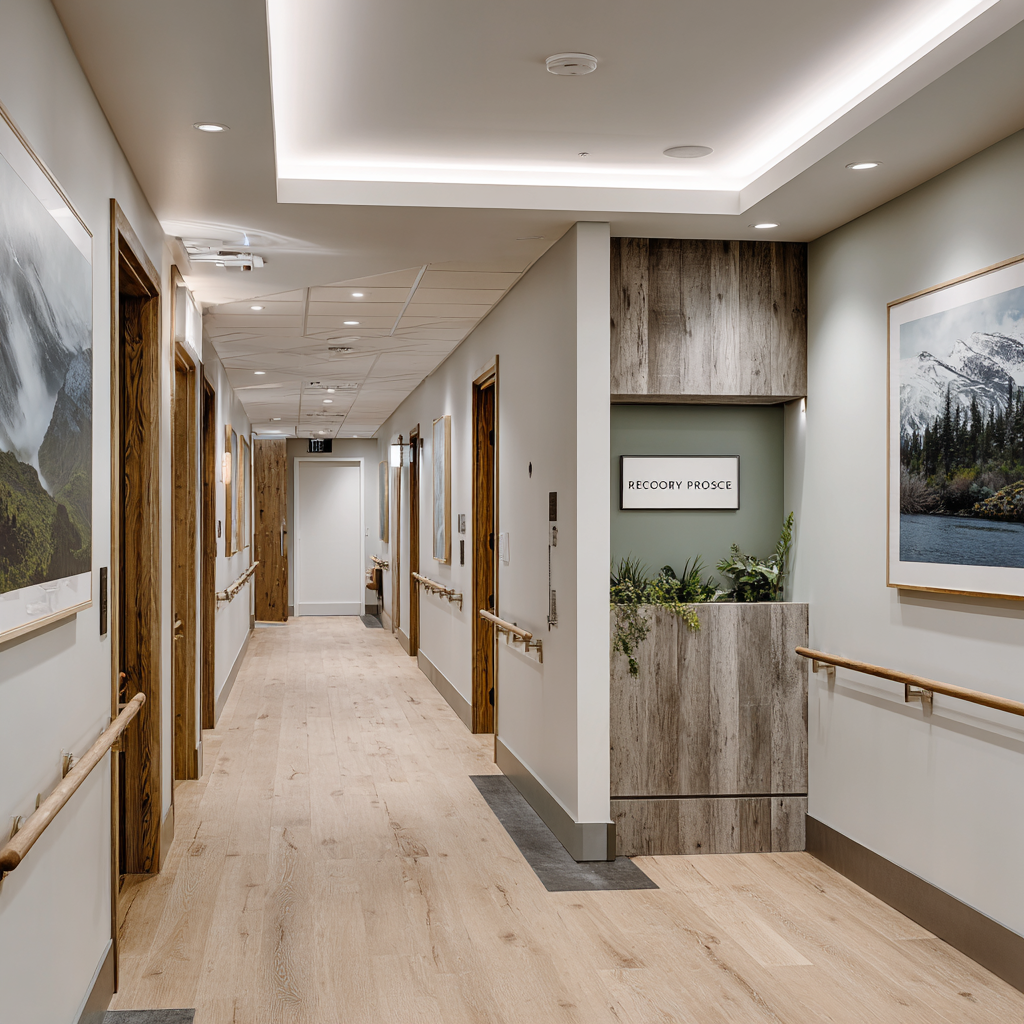
Medical detoxification is a clinically managed process that helps individuals safely withdraw from drugs or alcohol under continuous medical supervision. At DPE Support & Advisors in Los Altos, our team of physicians, nurses, and addiction specialists monitors clients around the clock to manage withdrawal symptoms, reduce discomfort, and prevent potentially life-threatening complications.
Detox is not a standalone treatment for addiction. Rather, it is the essential foundation that prepares you physically and mentally for the therapeutic work ahead. Once stabilized, you will transition into one of our comprehensive treatment programs.
Why Medical Supervision Matters
Withdrawal from certain substances, particularly alcohol, benzodiazepines, and opioids, can produce severe and even dangerous symptoms including seizures, delirium tremens, and cardiac distress. Attempting to quit without medical oversight puts your health at serious risk. Our clinical staff utilizes medication-assisted treatment (MAT) protocols to ensure every client detoxes safely and as comfortably as possible.
The Detox Process
Assessment
Upon arrival at our facility, you will receive a comprehensive medical and psychological evaluation. Our clinical team assesses your substance use history, physical health, mental health status, and any co-occurring conditions. This evaluation determines the safest and most effective detox protocol for your individual situation.
Stabilization
During stabilization, our medical team provides 24/7 monitoring and administers medications as needed to manage withdrawal symptoms. This phase typically lasts 3 to 7 days depending on the substance, severity of dependence, and individual health factors. Clients receive nutritional support, hydration therapy, and around-the-clock nursing care.
Transition to Treatment
Once medically stable, your care team will work with you to create a seamless transition into the next phase of your recovery. Whether that means entering our residential program, a partial hospitalization program, or an intensive outpatient program, we ensure continuity of care at every step.
Substances We Treat
Our medical detox program at DPE is equipped to safely manage withdrawal from a wide range of substances, including:
- Alcohol
- Opioids (Oxycodone, Hydrocodone, Morphine)
- Heroin
- Fentanyl
- Prescription Drugs
- Cocaine & Crack Cocaine
- Methamphetamine
- Benzodiazepines (Xanax, Valium, Ativan)
- Marijuana
What to Expect
Duration: Typically 3 to 7 days, depending on the substance and severity of dependence.
24/7 Monitoring: Round-the-clock nursing care with physician availability at all hours. Vital signs, symptoms, and comfort levels are checked regularly throughout each day and night.
Medication-Assisted Treatment (MAT): FDA-approved medications such as Suboxone, naltrexone, and others may be used to reduce cravings and manage withdrawal symptoms safely.
Supportive Environment: Our facility in Los Altos provides a calm, comfortable setting designed to promote healing. Private and semi-private rooms, nutritious meals, and compassionate staff ensure you feel supported throughout the process.
Residential Treatment
Our residential program provides the structure, support, and clinical expertise needed for deep, lasting recovery from addiction.
What Is Residential Treatment?
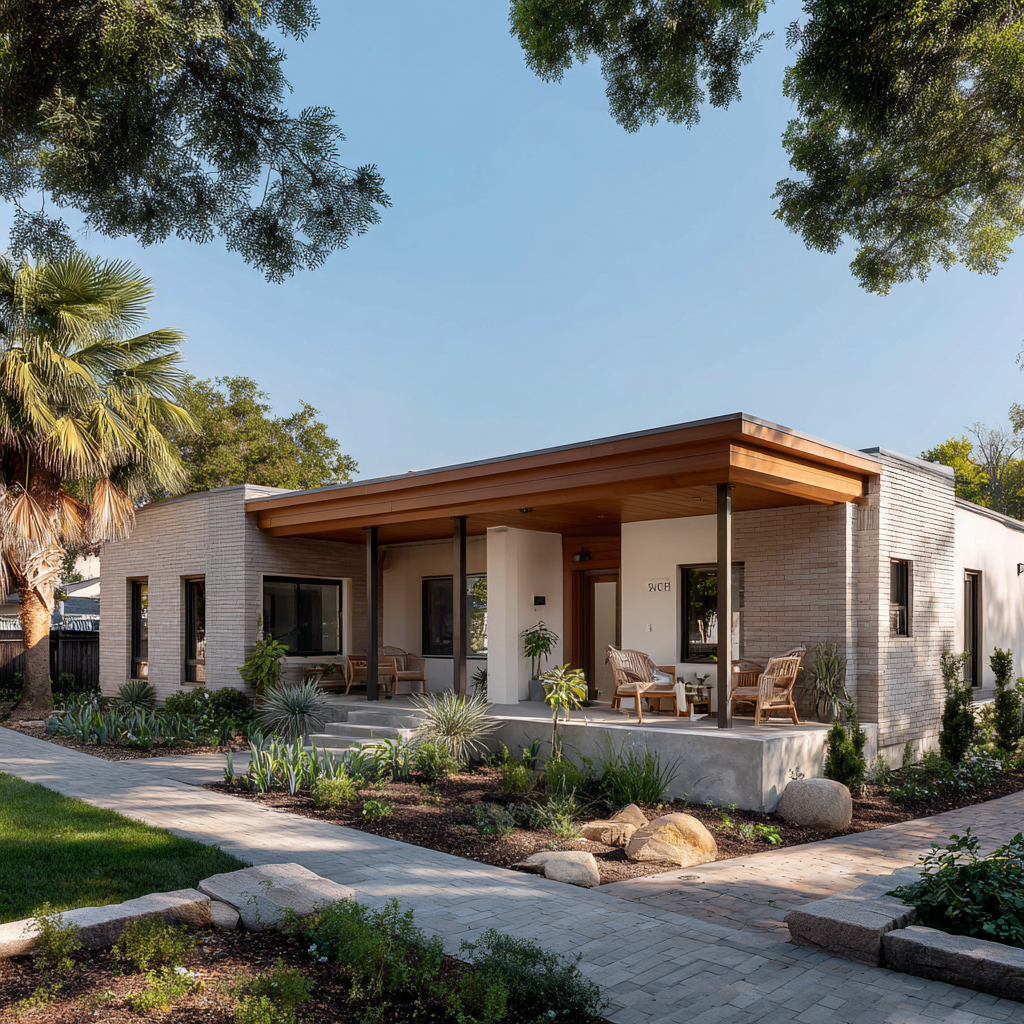
Residential treatment, also known as inpatient rehab, is a comprehensive program in which clients live full-time at our Los Altos treatment facility. This immersive approach removes individuals from the triggers, stressors, and environments that contribute to substance use, allowing them to focus entirely on their recovery.
Clients participate in a structured daily schedule that includes individual therapy, group counseling, evidence-based behavioral therapies, life skills training, and holistic wellness activities. Our experienced clinical team tailors each treatment plan to address the specific needs of every individual.
Who Is Residential Treatment For?
Residential treatment is ideal for individuals who have completed detox and need a higher level of care, those with severe or long-standing addiction, people who have not succeeded in outpatient settings, and anyone who would benefit from a structured therapeutic environment away from their daily routine.
30
Day Program
A focused, intensive program for individuals with moderate addiction who have strong support systems at home. Covers foundational therapy, relapse prevention skills, and aftercare planning.
60
Day Program
Extended care that allows deeper therapeutic work. Recommended for individuals with chronic addiction, co-occurring mental health conditions, or those who need more time to build coping strategies.
90
Day Program
Our most comprehensive option. Research shows that 90 days or more of treatment significantly improves long-term outcomes. This program includes full therapeutic immersion and robust aftercare preparation.
Sample Daily Schedule
| Time | Activity | Details |
|---|---|---|
| 6:30 AM | Wake Up & Morning Routine | Personal hygiene, room tidying, mindfulness or meditation |
| 7:30 AM | Breakfast | Nutritious, chef-prepared meal with dietary accommodations |
| 8:30 AM | Morning Check-In | Community meeting, daily goal-setting, and wellness assessment |
| 9:00 AM | Individual Therapy | One-on-one session with licensed therapist (CBT, DBT, MI) |
| 10:30 AM | Group Therapy | Process group, psychoeducation, or skills-building workshop |
| 12:00 PM | Lunch | Balanced meal with peer community dining |
| 1:00 PM | Educational Workshop | Relapse prevention, coping skills, life skills, or family dynamics |
| 2:30 PM | Holistic Activities | Yoga, art therapy, fitness, nature walks, or recreational therapy |
| 4:00 PM | Free Time | Journaling, reading, peer support, or rest |
| 5:30 PM | Dinner | Nutritious evening meal |
| 6:30 PM | Evening Group | 12-step meeting, SMART Recovery, or peer support circle |
| 8:00 PM | Evening Wind-Down | Reflection, meditation, light reading, or relaxation exercises |
| 10:00 PM | Lights Out | Restful sleep in a safe, comfortable environment |
Outpatient Programs
Flexible, structured treatment that allows you to continue living at home while receiving clinical care at our Los Altos facility.
Step-Down Care From Residential
Our outpatient programs serve as the natural next step after completing residential treatment, providing continued clinical support as you reintegrate into daily life. They are also appropriate for individuals whose addiction severity and personal circumstances allow them to begin treatment at an outpatient level.
At DPE Support & Advisors, our outpatient track includes three distinct levels of intensity, allowing your care team to match your treatment to exactly the level of support you need at each stage of recovery.
Partial Hospitalization Program (PHP)
Duration: 2 to 4 weeks
Schedule: 5 to 6 days per week, 5 to 6 hours per day
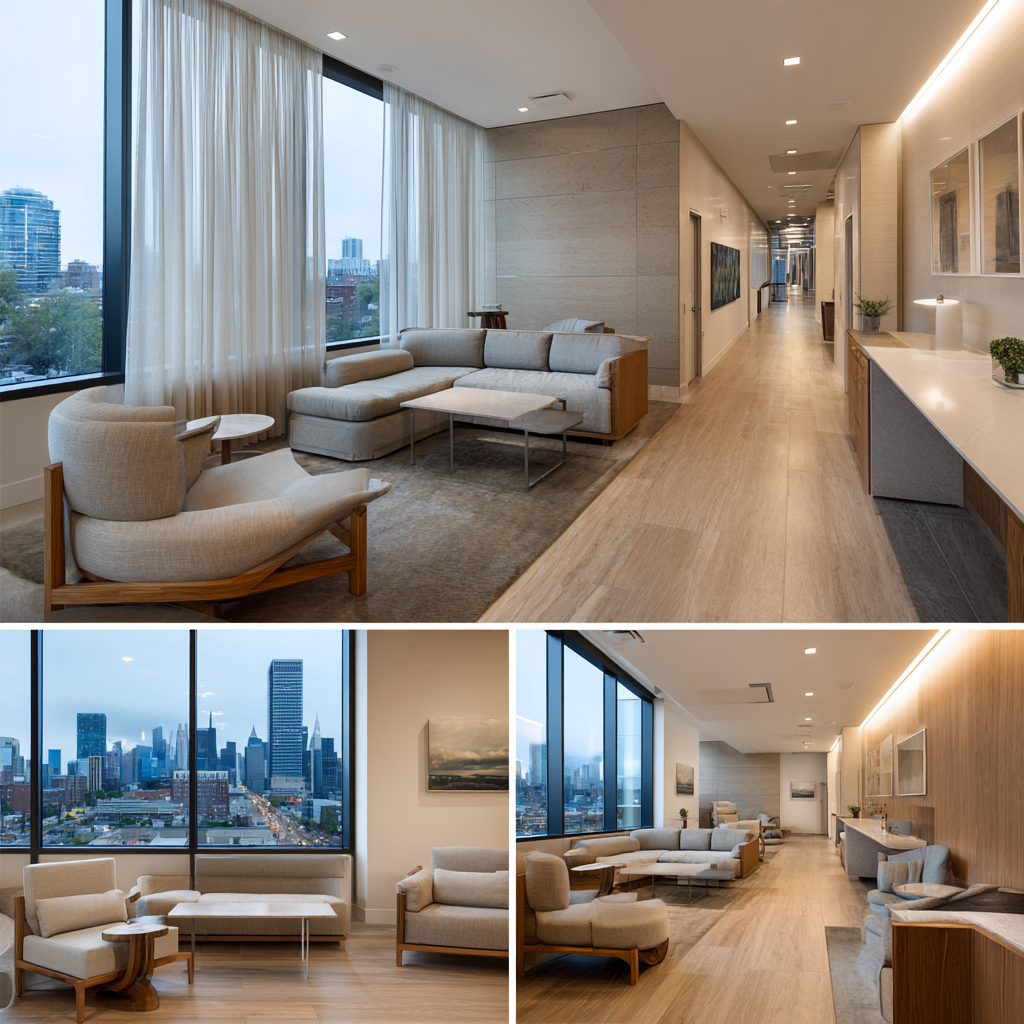
Our PHP provides the highest level of outpatient care. It is designed for clients who need intensive, structured treatment but do not require 24-hour supervision. Clients attend our Los Altos facility during the day and return home or to a sober living residence in the evening.
What PHP Includes:
- Individual therapy sessions (2-3 per week)
- Group counseling and process groups
- Psychiatric evaluation and medication management
- Psychoeducational workshops
- Relapse prevention planning
- Family involvement sessions
Who Is PHP For?
PHP is recommended for individuals stepping down from residential treatment, those whose condition requires more support than standard outpatient can provide, or clients who have experienced a relapse and need intensive intervention without returning to inpatient care.
Your treatment team continuously evaluates your progress and adjusts the program as you advance, ensuring a smooth transition to IOP when you are ready.
Intensive Outpatient Program (IOP)
Duration: 8 to 12 weeks
Schedule: 3 to 5 days per week, 3 hours per day
IOP offers a meaningful step down from PHP while still providing robust therapeutic support. This program is designed for clients who are making progress in recovery but still benefit from regular clinical engagement. Many of our clients in IOP are able to return to work, attend school, or care for their families while continuing treatment.
What IOP Includes:
- Individual therapy (1-2 sessions per week)
- Group therapy and peer support
- Cognitive Behavioral Therapy (CBT)
- Dialectical Behavior Therapy (DBT) skills
- Relapse prevention and coping strategies
- Drug and alcohol testing
Who Is IOP For?
IOP is ideal for individuals transitioning from PHP or residential treatment, people with moderate addiction who have stable living situations, and anyone who needs flexible scheduling to balance recovery with daily responsibilities.
Our IOP meets during morning or evening hours to accommodate your work and family schedule. The program emphasizes building the real-world skills you need to maintain sobriety long after treatment ends.
Standard Outpatient Program
Duration: Ongoing (typically 3-6 months)
Schedule: 1 to 2 sessions per week
Standard outpatient is our lowest level of structured care. It provides continued support for individuals who have progressed through higher levels of treatment and are living independently in recovery. Sessions focus on maintaining sobriety, managing triggers, and continuing personal growth.
What Standard Outpatient Includes:
- Weekly individual therapy
- Optional group sessions
- Continuing care and aftercare planning
- Alumni support and community connection
- Regular check-ins with your treatment team
Who Is Standard Outpatient For?
This level of care is appropriate for clients completing IOP, individuals with strong recovery foundations who want ongoing support, and those looking for maintenance-level therapy to sustain long-term sobriety.
Standard outpatient at DPE keeps you connected to your clinical support network and recovery community, helping to prevent relapse and promote continued growth.
Comparing Outpatient Levels
| Feature | PHP | IOP | Standard Outpatient |
|---|---|---|---|
| Duration | 2-4 weeks | 8-12 weeks | 3-6 months |
| Hours per Week | 25-30 hours | 9-15 hours | 1-3 hours |
| Individual Therapy | 2-3 sessions/week | 1-2 sessions/week | 1 session/week |
| Group Therapy | Daily | 3-5 days/week | Optional |
| Psychiatric Services | Included | Available | As needed |
| Best For | Step-down from residential | Moderate support needs | Maintenance & aftercare |
Dual Diagnosis Treatment
Integrated treatment for individuals living with both a substance use disorder and a co-occurring mental health condition.

What Is Dual Diagnosis?
Dual diagnosis, also called co-occurring disorders, refers to the simultaneous presence of a substance use disorder and a mental health condition. Research shows that nearly half of individuals who struggle with addiction also experience a mental health disorder. When these conditions are treated separately, or when one is ignored entirely, the risk of relapse and poor outcomes increases dramatically.
At DPE Support & Advisors, our dual diagnosis program treats both conditions at the same time using an integrated approach. Our licensed psychiatrists, therapists, and addiction counselors work collaboratively to address the underlying causes of both the addiction and the mental health disorder.
Mental Health Conditions We Treat
Depression
Persistent sadness, hopelessness, and loss of interest that often co-occurs with substance abuse as individuals attempt to self-medicate.
Anxiety Disorders
Generalized anxiety, social anxiety, and panic disorder frequently drive substance use as a coping mechanism, creating a destructive cycle.
PTSD
Post-traumatic stress disorder is closely linked to addiction. Our trauma-informed approach addresses the root experiences driving both conditions.
Bipolar Disorder
The manic and depressive episodes of bipolar disorder can trigger substance misuse. Integrated care stabilizes mood while addressing addiction.
Our Integrated Approach
Unlike traditional models that treat addiction and mental health separately, our integrated dual diagnosis program addresses both conditions simultaneously. This approach is backed by decades of clinical research showing it produces better outcomes, lower relapse rates, and improved quality of life.
Treatment Methods Include:
- Cognitive Behavioral Therapy (CBT) for identifying and changing destructive thought patterns
- Dialectical Behavior Therapy (DBT) for emotional regulation and distress tolerance
- Eye Movement Desensitization and Reprocessing (EMDR) for trauma
- Psychiatric evaluation and medication management
- Individual and group therapy sessions
- Mindfulness-based stress reduction
- Family therapy and education
Our Specializations
The clinical team at DPE Support & Advisors in Los Altos, California has specialized expertise in the following areas:
Alcohol Addiction
Comprehensive alcohol use disorder treatment including medical detox, behavioral therapy, and long-term relapse prevention. We address the physical, psychological, and social dimensions of alcohol dependency.
Opioid Addiction
Evidence-based opioid treatment with medication-assisted therapy (MAT), individual counseling, and graduated step-down protocols for prescription painkillers, heroin, and fentanyl dependence.
Dual Diagnosis
Simultaneous treatment of addiction alongside mental health conditions. Our integrated clinical model ensures that neither condition is treated in isolation.
Trauma-Informed Care
Specialized therapeutic interventions for individuals whose substance use is rooted in past trauma, including EMDR, somatic experiencing, and trauma-focused CBT.